Home Networking | September 25, 2026
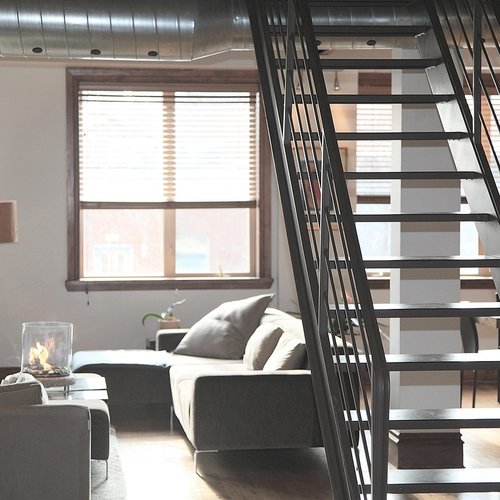
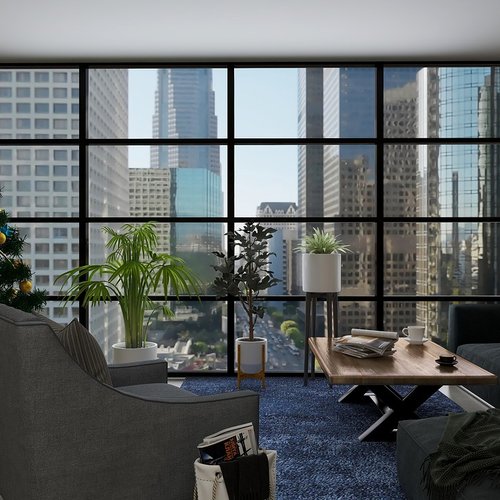
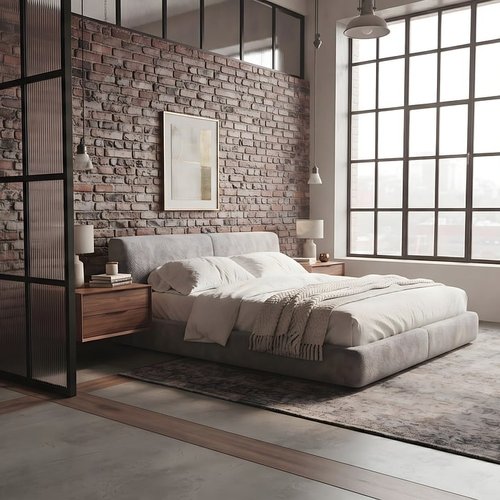
The best smart home technology is the kind you forget is there. In a loft, where every surface is on display and clutter has nowhere to hide, that principle matters even more. You want the lights to respond when you walk in, the music to follow you from the kitchen to the mezzanine, and the thermostat to know you are home, all without a shelf full of gadgets buzzing and blinking in the corner. The good news is that the current generation of smart devices is smaller, quieter, and more capable than ever, and a few thoughtful choices will keep your loft looking like a design magazine rather than an electronics store.
Start with a hub, or decide deliberately not to have one. Many modern devices speak directly to Wi-Fi or to a protocol called Matter, which lets products from different brands work together. If you are just beginning, pick one ecosystem and stay inside it for your core devices: lights, plugs, and sensors. That keeps setup simple and avoids the classic problem of five apps for five brands. If you already have a mix, a small hub tucked into a media cabinet can unify everything and get it off your phone's home screen.
Invisible Convenience, Room by Room
Lighting is where smart tech earns its keep in a loft. Smart bulbs and smart switches let you create scenes for different zones, and because lofts are one big room, scenes are how you make those zones feel separate. A single command can dim the dining pendants, brighten the kitchen counter, and turn off the reading lamp across the room. Put your lights on a schedule so the apartment wakes up gently and winds down at night, and use motion sensors in hallways, entryways, and closets where you would otherwise fumble for a switch. Sensors are tiny, battery-powered, and can be mounted with adhesive, which means no wiring and no visible hardware.
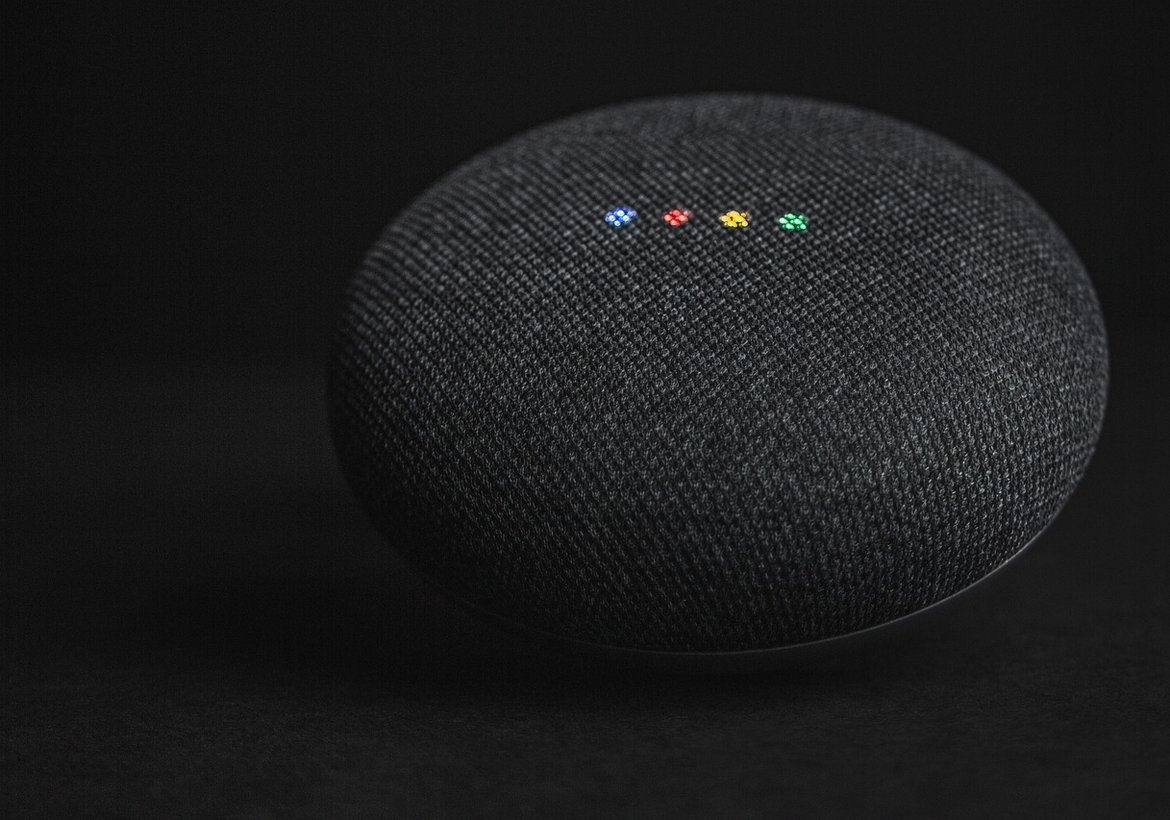
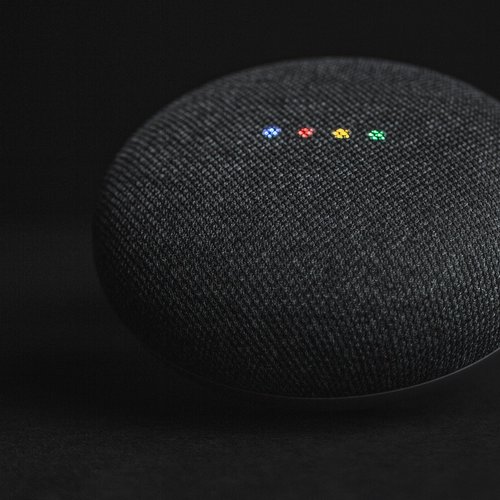
Audio is the other easy win. A single well-placed speaker can fill an open plan, and if you want sound in more than one zone, a multi-room system lets you group speakers for a party or split them so one person listens to a podcast in the study while another cooks to music in the kitchen. Choose speakers with fabric grilles and neutral colors and they will read as decor rather than equipment. If you have a projector or a TV, a soundbar with a wireless subwoofer keeps cables to a minimum, which is a real gift in a loft where cable management is a constant battle.
Climate and security round out the basics. A smart thermostat learns your schedule and can save energy in a space with high ceilings where heat stratifies. Smart plugs turn ordinary lamps and fans into scheduled devices for a few dollars each. A video doorbell and a couple of indoor cameras give you peace of mind without requiring a professional install, and most can be mounted with screws or adhesive and run on battery or USB power.
Keeping the Wires and Clutter Out of Sight
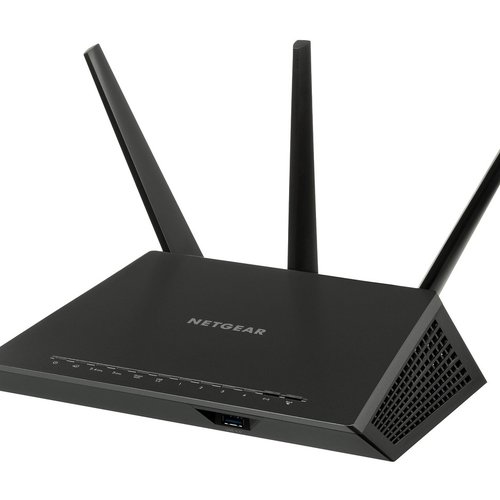
Every smart device needs power or a battery, and that is where lofts get messy. Plan your device placement around outlets, and use short, right-angle cables and adhesive cable clips to keep runs tidy. Put hubs, routers, and power strips inside a closed media cabinet or a lidded basket, but leave a little ventilation. Label your plugs so you know what is what when something needs a reset. Finally, resist the urge to automate everything at once. Add one system, live with it for a week, and then add the next. In a loft, the goal is a home that responds to you quietly in the background, not one that announces itself every time you walk through the door.



























A loft office has to survive video calls, shared living, and shifting light, so plan it around acoustics and cable first.
Alice Rose
Sep 25, 2026 at 3:12 pm