Home Networking | September 7, 2026
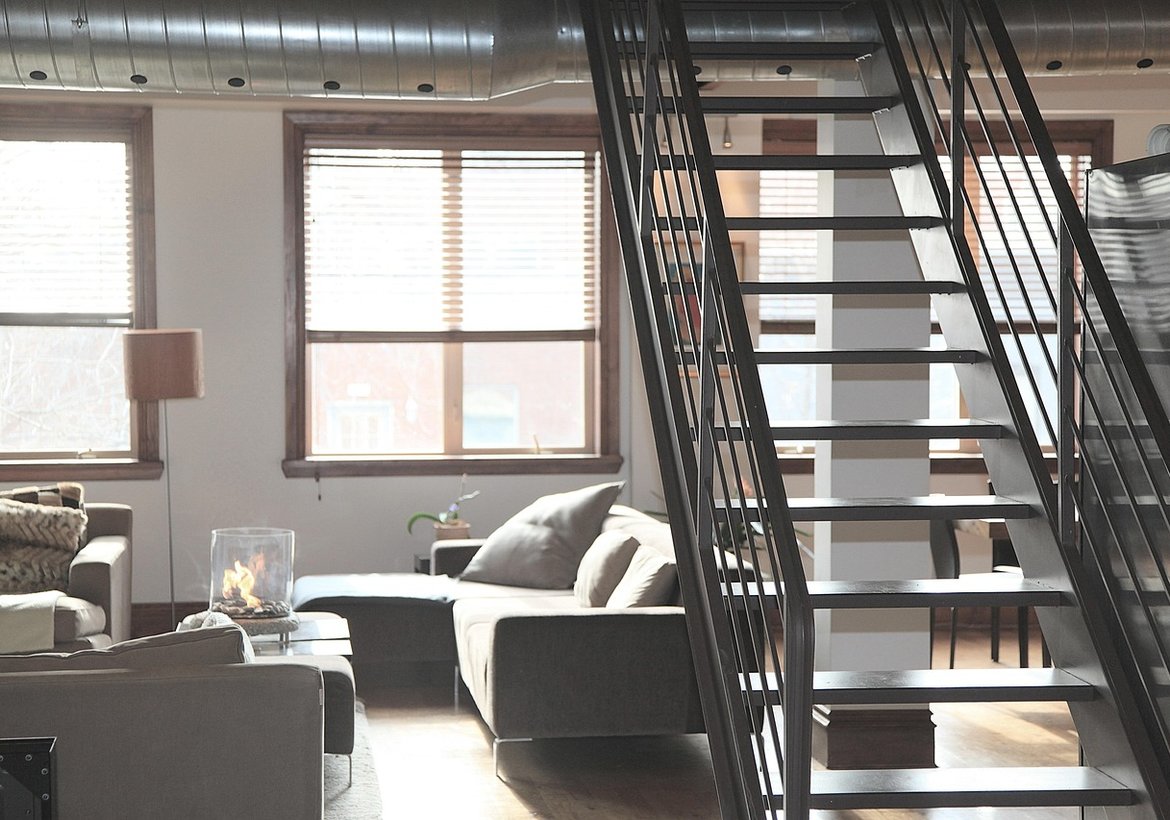
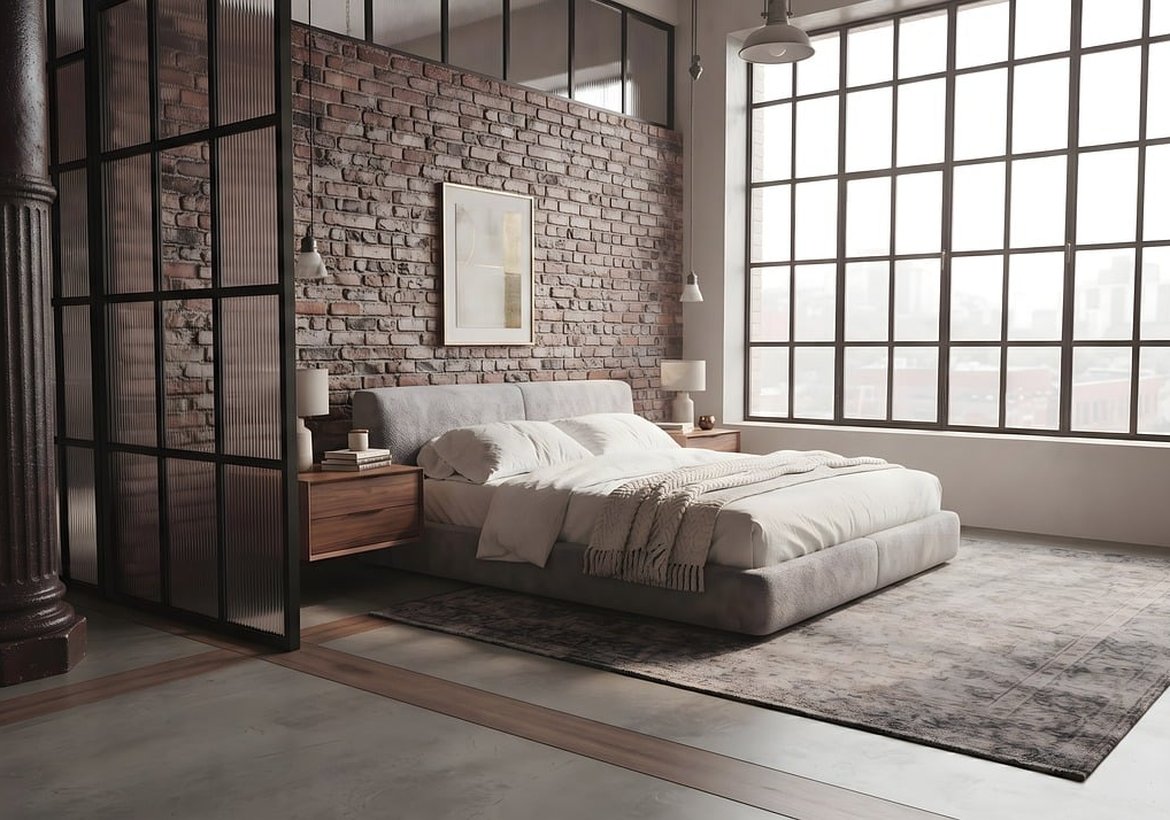
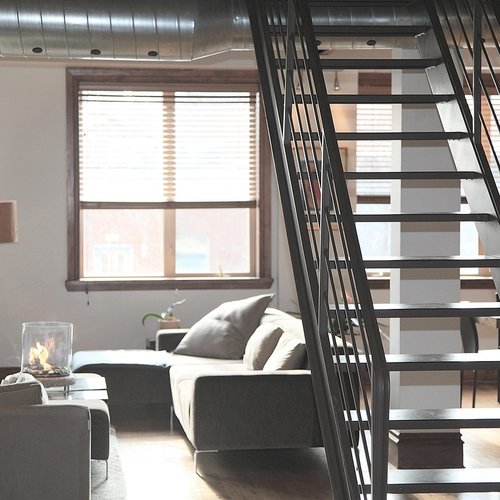
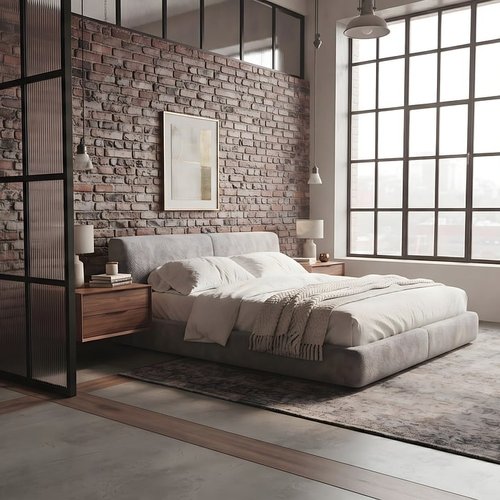
Smart home technology gets marketed as a universal upgrade, but not every device makes sense in every home. A loft is a specific case: high ceilings, big windows, hard surfaces, and often a layout where the kitchen, bedroom, and living area share one volume. Some gadgets that are merely convenient in a house become genuinely useful here, and others are a waste of money. Here are the categories worth your attention, and the reasoning behind each one.
Shades, Lighting, and Climate
Start with motorized shades, because lofts tend to have tall or oddly shaped windows that are hard to reach. If your windows are two stories high or sit above a mezzanine, a motorized roller shade is not a luxury, it is the only practical way to control light and heat. Schedule them to close in the afternoon if your windows face west, and you will cut a surprising amount of summer heat gain. Pair them with a smart thermostat and you have the two biggest levers on comfort and energy use in a space with a lot of glass.
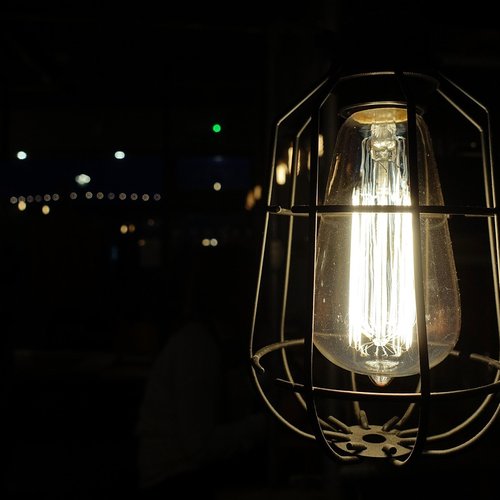
Smart lighting is the second strong candidate, but approach it as a zoning project rather than a bulb-by-bulb upgrade. Because a loft has no walls, lighting is how you create rooms. Put your living area, kitchen, and bedroom zones on separate smart switches or dimmers so you can turn each one on or off independently, either from your phone or with a wall remote. Warm dimming is worth the extra cost, since it lets you shift from bright task lighting during the day to a low, warm glow at night without changing fixtures. If you already have pendant lights over a kitchen island or dining table, smart bulbs in those fixtures give you the most visible effect for the least money.
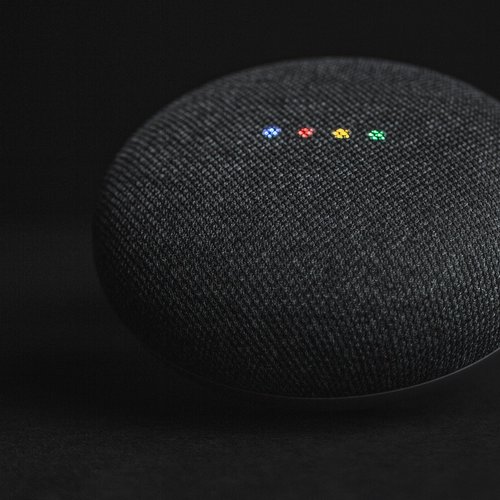
Skip the smart refrigerator and the voice-controlled microwave. In a loft, those appliances are usually within arm's reach of wherever you are standing, and the connected features add cost and complexity without solving a real problem. Spend that budget on shades and lighting instead.
Sensors, Security, and the Network Underneath
Water is the quiet killer of apartments, and lofts often have plumbing in unexpected places: a sink on the far side of the room, a washing machine in a closet, a water heater tucked behind a panel. A handful of inexpensive leak sensors placed under each sink, behind the washer, and near the water heater will alert you the moment water appears, long before it reaches a neighbor's ceiling. This is the single best-value smart device for apartment living, and it requires no wiring at all.
Security is the next layer. A video doorbell is useful if your entry is a shared hallway or an exterior door. Indoor cameras are less necessary in a loft, where you can usually see most of the space from one spot, but a camera pointed at the entry can be worth it if you travel. If you have a mezzanine or a second floor, a smart smoke and carbon monoxide detector that sends alerts to your phone adds peace of mind, especially if you are away during the day.
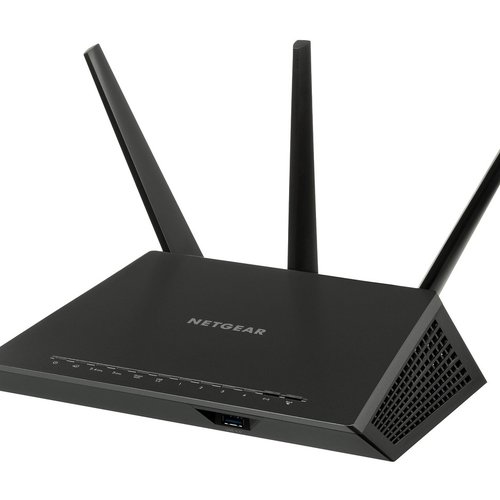
All of this depends on a network that reaches every corner, and that is the part most people underestimate. Concrete and brick absorb Wi-Fi, and metal ductwork reflects it, so a single router in a corner will leave dead spots. Before you buy a single smart device, map your coverage. Walk the apartment with your phone and note where the signal drops. Then place a mesh node or two at the points where coverage is weakest, ideally connected back to the main router with Ethernet if you can run it. A reliable network is the foundation that makes every other smart upgrade work, and in a loft it is the one thing you should get right first.






























Clever, renter-friendly ways to store everything you own when your loft has more square footage than cabinetry.
Alice Rose
Sep 8, 2026 at 3:12 pm